Types of Disabilities

Neurological Disabilities

The image shows a person sitting in a wheelchair in a garden or park. The person is wearing a yellow shirt and blue pants. The surroundings are lush with greenery and purple flowers, creating a serene and natural environment. The wheelchair is partially visible, with a blue frame and black seat. The background is filled with various plants and trees, adding to the peaceful and vibrant atmosphere of the scene.

The purpose of this image is to illustrate accessibility and inclusivity in a natural, outdoor setting. By depicting a person in a wheelchair enjoying the garden, the image emphasizes the importance of creating accessible environments where everyone can enjoy nature and its beauty. This is highlighting the importance of inclusivity, or showcasing a positive and serene environment that is welcoming to all individuals.

  • Dementia
  • Epilepsy
  • Motor Neuron Disease
  • Multiple Sclerosis (MS)
  • Parkinson’s Disease
  • Muscular Dystrophy

Physical Disabilities
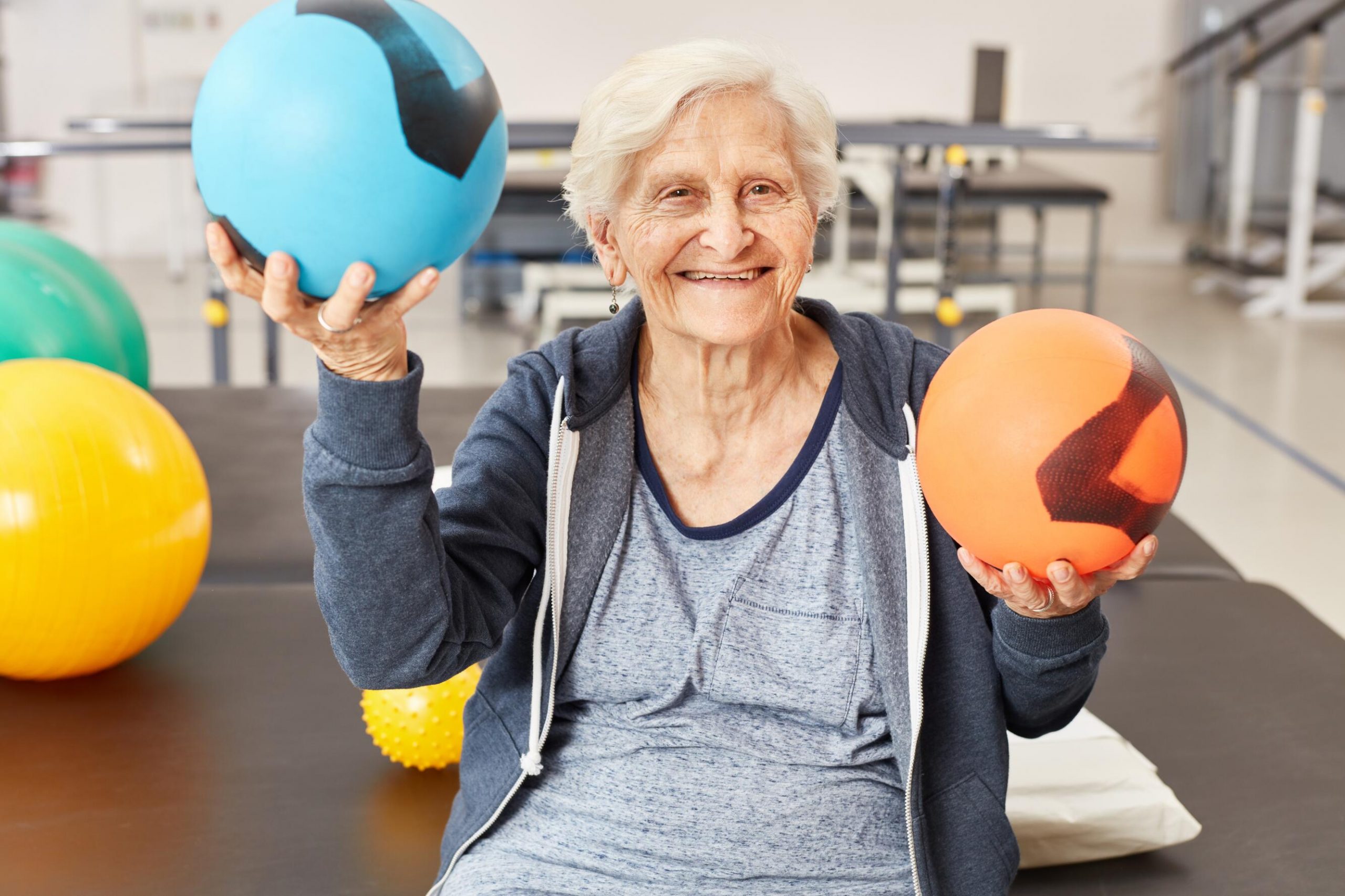
The image shows an older individual sitting and holding two balls, one in each hand. The ball in the left hand is blue with black markings, and the ball in the right hand is orange with black markings. The individual is wearing a grey shirt and a dark grey zip-up hoodie. In the background, there are other exercise balls, including a large yellow ball and a smaller yellow spiky ball. The setting appears to be a gym or physical therapy room, indicated by the presence of exercise equipment and the overall environment.

The purpose of this image is to highlight activities for maintaining or improving physical health and mobility, especially for older adults. The use of different types of balls suggests exercises that involve coordination, strength, and flexibility. This image is relevant as it showcases the importance of physical activity in promoting health and well-being, particularly in older age.

  • Cerebral Palsy
  • Musculoskeletal Injuries
  • Spinal Cord Injuries
  • Spina Bifida
  • Traumatic Brain Injuries

Sensory Disabilities

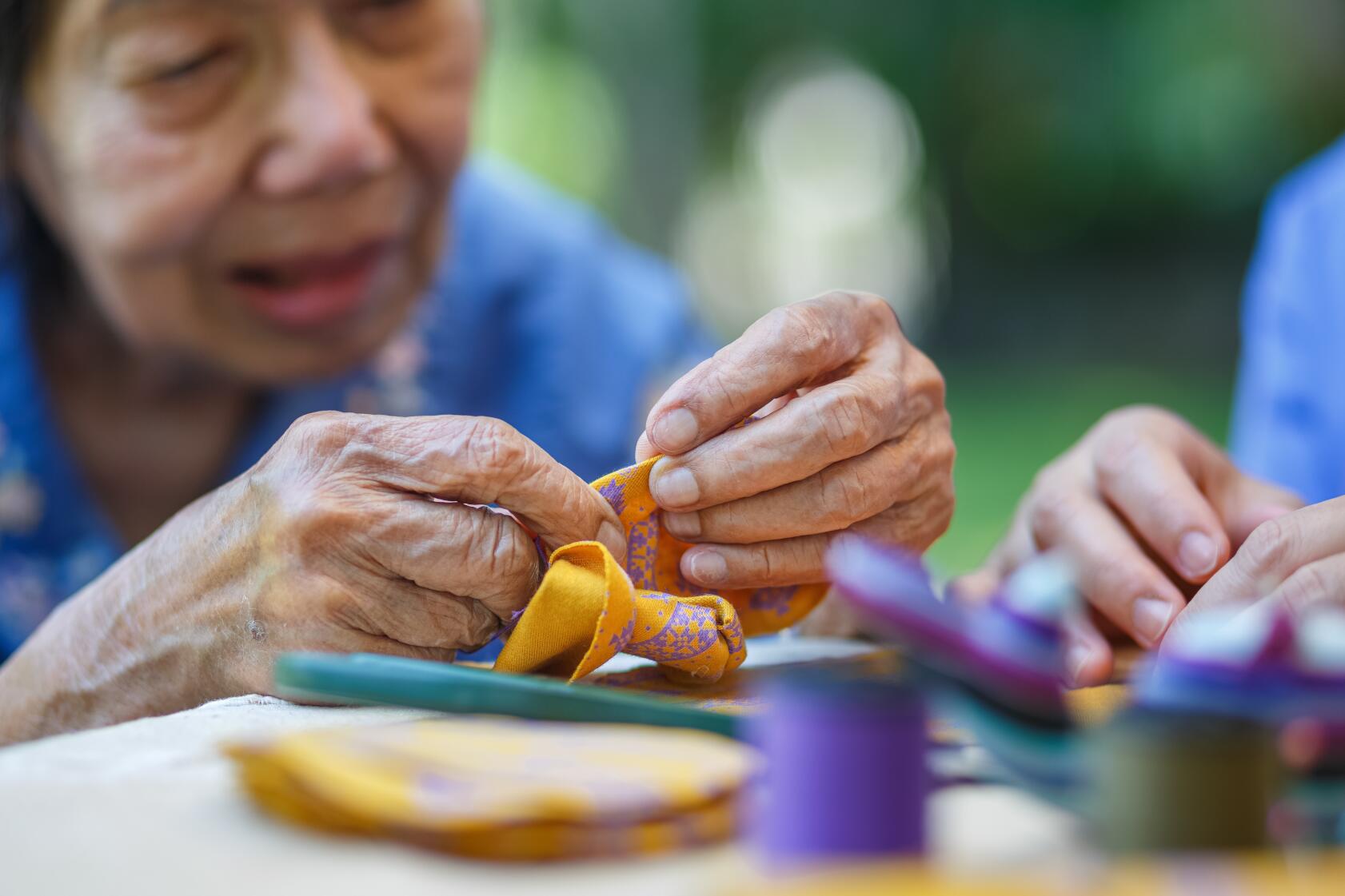
The image shows a close-up of two pairs of hands working on a piece of fabric. The hands appear to be engaged in a sewing or crafting activity. The fabric being worked on is yellow with a purple pattern. Various sewing tools and materials are visible in the foreground, including spools of thread and fabric pieces. The background is blurred, suggesting an outdoor setting.

The purpose of this image is to illustrate the process of crafting or sewing. It highlights the hands-on nature of such activities, which can be both therapeutic and engaging. The presence of multiple hands suggests a collaborative effort, possibly indicating a social or communal crafting session. This image is relevant for promoting the benefits of crafting, such as enhancing fine motor skills, fostering creativity, and encouraging social interaction.

  • Autism (ASD)
  • Blindness
  • Deafness
  • Sensory Processing Disorders

Mental Illness

The image shows a person wearing a yellow knitted sweater with a high collar. They are holding a hand up to the side of their face. The background appears to be a living room with a couch and some blurred elements, suggesting a home environment. The yellow sweater stands out as a prominent feature in the image.

In a mental illness scenario, this image could depict someone experiencing a moment of anxiety or stress. The hand to the face gesture might indicate a coping mechanism or a moment of self-soothing. The cozy sweater and home setting could symbolize the importance of creating a comfortable and safe environment for oneself during challenging times. This image is used to raise awareness about mental health, emphasizing the need for self-care and the importance of seeking support when dealing with mental health issues.

  • Anxiety
  • Bipolar Disorder
  • Depression
  • Personality Disorders
  • PTSD
  • Schizophrenia

Proud to Serve the Community

All About You Supports is an Australian Disability support company that provides services to the NDIS community.

We are experienced in providing supports for many different disabilities. At AAYS, we have carers, plan managers, coordinators and administrative staff who have experience serving the disability sector in their own unique way.